
Trending 14 x 20 Pillow Cover Designs Homeowners Love in the USA
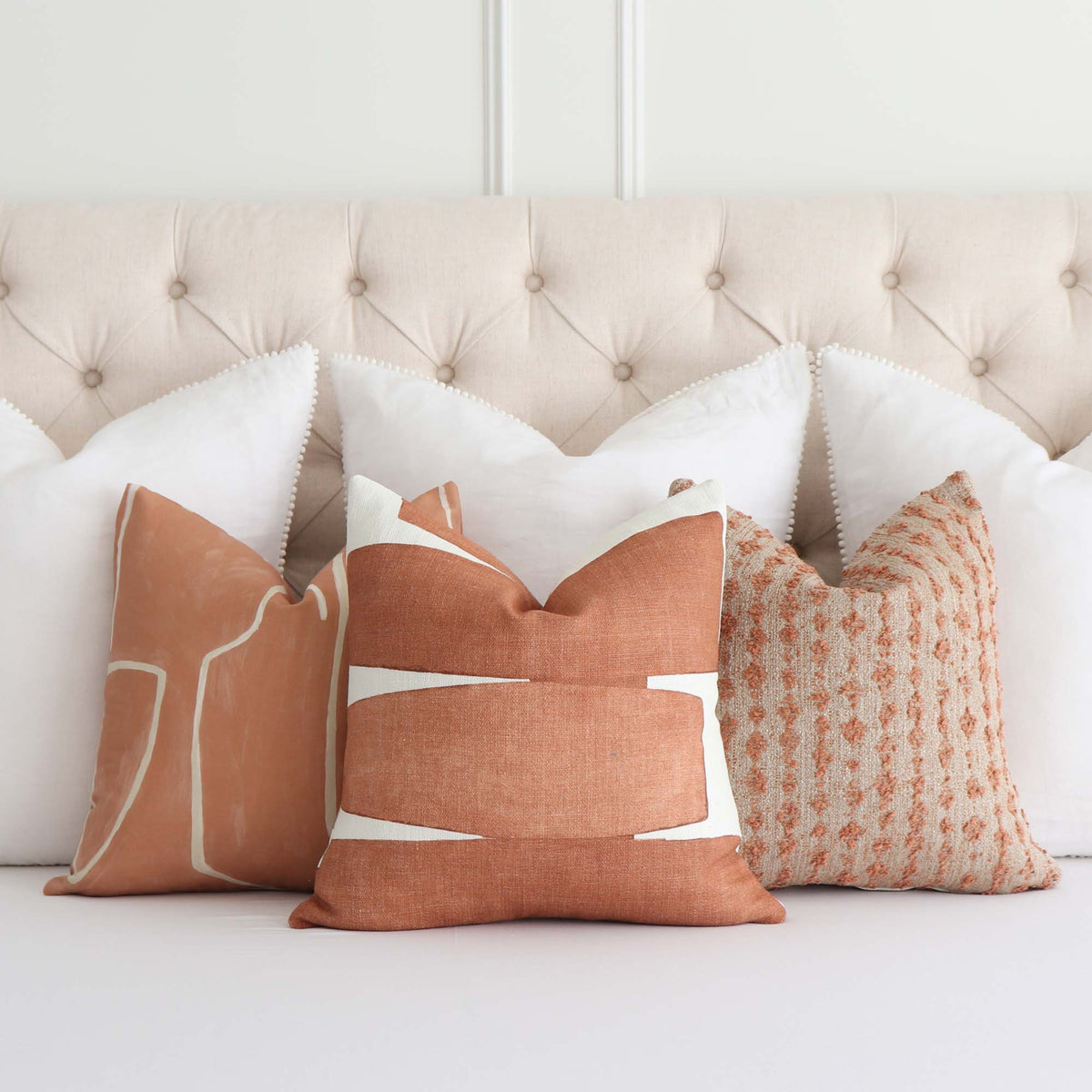
Home décor in the USA continues to evolve as homeowners look for ways to create comfortable, visually appealing, and personalized living spaces. Accent pillows play an important role in this process because they influence both comfort and design balance in living rooms, bedrooms, reading corners, and lounge areas. Among commonly used options, the 14 x 20 Pillow Cover has become a popular rectangular size that supports both aesthetic styling and ergonomic positioning on sofas and beds.
This blog explores the design trends, material preferences, styling approaches, and practical considerations that homeowners across the USA keep in mind when choosing this pillow size. Rather than focusing on promotional language, the discussion highlights how shape, proportion, texture, and functional use influence purchasing and design decisions.
Understanding Why Size and Shape Matter in Modern Décor
Before exploring design trends, it helps to understand why rectangular pillow shapes have gained attention among homeowners and interior stylists. Rectangular cushions introduce visual contrast when paired with square pillows, which helps avoid layout uniformity on couches or bedding arrangements. This shape works especially well in contemporary and transitional interiors where clean lines and structured layouts are preferred.
From a comfort perspective, rectangular cushions are often used for:
- Lower back support while seated
- Head or shoulder alignment while reclining
- Layering arrangements on sofas or beds
Because of these functions, many homeowners choose this size to balance appearance with everyday usability rather than styling alone. When a 14 x 20 Pillow Cover is selected for this purpose, the goal is typically to create a blend of design consistency, support, and comfortable positioning that complements other décor elements in the room.
Key Factors Homeowners Consider When Selecting Pillow Cover Designs
Homeowners in the USA rarely choose pillow covers based only on pattern or color. Instead, they tend to evaluate how the fabric, craftsmanship, maintenance needs, and overall feel align with their lifestyle and space requirements. A thoughtful selection process can help extend product longevity and ensure the cover remains suitable for both formal and casual environments.
After reviewing common consumer preferences, several selection factors stand out across remodel projects, seasonal décor updates, and new home furnishing plans.
Material and Fabric Preferences in Different Household Settings
Fabric choice influences comfort, durability, and visual texture. In warmer regions or open-concept homes with bright natural lighting, lightweight cotton and breathable blends are often preferred. These materials are easy to maintain and help create an inviting, relaxed atmosphere.
In contrast, velvet, jacquard, and textured woven fabrics are often chosen for formal living rooms or bedrooms because they introduce depth and tactile interest. These materials work well in layered cushion arrangements where contrast between textures becomes a key design feature.
Some households also consider fabric practicality, especially in homes with children or pets. Washable materials and zipper closures allow easier cleaning and fabric care, which supports long-term use without frequent replacement.
Color Palettes, Patterns, and Aesthetic Direction
Color and pattern selection plays a central role in how a pillow cover influences room styling. Many homeowners use rectangular pillows as accent pieces, introducing contrast against neutral sofas or solid-tone bedding.
Common approaches include:
- Neutral tones for a minimalist and calming environment
- Earth shades for natural, organic interiors
- Geometric and linear patterns for modern spaces
- Subtle prints for transitional décor styles
Across the USA, seasonal rotation is also common. Light, airy tones are often used during spring and summer, while deeper shades and textured fabrics appear more frequently in cooler months. This approach allows interior spaces to adapt visually without requiring major furnishing changes. In discussions related to style inspiration, some homeowners also explore designer pillow covers to understand pattern variety and fabric craftsmanship available in the market.
Rectangular Cushion Covers and Room Balance
The rectangular shape of this pillow size allows it to function as both a decorative piece and a support accessory. Instead of acting as a standalone display item, it often works as a connector between larger square cushions, throws, and bedding elements. This helps create structure within layered cushion arrangements.
Interior stylists often use this size to:
- Add horizontal balance on long sofas
- Break symmetry on bed pillow layouts
- Create focal alignment in accent seating areas
When placed strategically, the arrangement guides visual flow across the room. This approach makes the pillow cover not just an accessory, but a layout tool that supports overall design cohesion.
Placement Techniques That Enhance Aesthetic Flow
The way a rectangular pillow is positioned affects the visual weight of the seating or bedding surface. Center placement on sofas brings attention to the middle seating zone, while offset placement along one side produces an asymmetrical, contemporary effect.
Layering the rectangular cushion in front of larger pillows creates a structured appearance commonly seen in modern living room designs. On beds, it is often used as a bridging cushion, positioned between euro shams and standard pillows to create depth.
Such placement decisions allow homeowners to achieve both harmony and visual interest without overcrowding the space.
Textures, Finishes, and Craft Details Increasing in Popularity
Beyond material and color, many homeowners in the USA pay attention to surface details and finishing techniques. Textured covers with ribbing, embroidery, quilting, or subtle stitched patterns introduce dimension that photographs well in natural light and adds tactile richness to interior settings.
In sustainable and nature-inspired décor themes, woven and linen-blend textures are especially common. These materials support a grounded, organic visual appeal suitable for calm and relaxing environments.
In curated home collections and specialty décor brands such as One affirmation, craftsmanship, stitching quality, and fabric feel often become distinguishing characteristics that influence buyer decisions. Rather than serving as purely decorative items, such covers are chosen for their ability to integrate smoothly with thoughtfully designed interior schemes.
Practical Considerations for Everyday Use and Maintenance
Aesthetic appeal alone is rarely the sole deciding factor when homeowners choose pillow covers. Daily lifestyle needs, frequency of use, and maintenance preferences also shape buying decisions. Removable covers with concealed zippers are widely preferred because they support routine washing and seasonal replacement without fabric strain.
For households that frequently rearrange furniture or rotate décor elements, keeping consistent sizing across cushions helps simplify styling. A rectangular format provides flexibility in different room layouts, whether placed on beds, sectional sofas, armchairs, or window benches.
Care instructions, washing compatibility, and fabric durability also influence long-term satisfaction. These considerations help ensure that the cushion cover remains both visually appealing and functionally reliable through repeated use.
Regional Design Preferences Across the USA
Design choices often vary depending on regional architecture, climate, and lifestyle trends. In urban apartments and compact living spaces, rectangular cushions are commonly used to create layering without adding bulk. In suburban homes with larger seating areas, they are often combined with multiple cushion sizes to produce fuller arrangements.
Coastal and coastal-inspired interiors frequently incorporate light fabrics and soft color palettes, while rustic and farmhouse interiors lean toward textured fabrics, earthy tones, and natural fiber materials. The versatility of a 14 x 20 Pillow Cover allows it to adapt to each of these style contexts while maintaining proportion and comfort balance.
Integrating Pillow Covers Into Broader Interior Styling Plans
Rather than being treated as isolated décor items, pillow covers are increasingly considered part of a coordinated design approach. Homeowners often match or contrast them with throws, curtains, rugs, and upholstery to create continuity across the space.
In remodeling or home refresh projects, cushion swaps are sometimes used as an accessible way to introduce color or texture adjustments without major furnishing changes. This flexibility helps homeowners experiment with evolving design preferences over time.
When selecting this size and shape, many people aim for a balance between visual refinement and everyday usability. Incorporating a 14 x 20 Pillow Cover into a room layout can support that objective when chosen with attention to proportion, material quality, and placement alignment.
Conclusion
Across different interior design styles in the USA, rectangular cushion covers maintain relevance because they combine aesthetic versatility with practical support functions. Their proportional length complements both traditional and contemporary seating arrangements, while their structured shape adds order to layered cushion layouts.
As design preferences continue to shift toward comfort-centric and adaptable living environments, this pillow size remains a reliable choice for homeowners seeking cohesion, subtle visual contrast, and ergonomic usability within their décor plans.
By understanding trends in material selection, placement techniques, textural finishes, and maintenance priorities, homeowners can make informed decisions that align with both personal style and everyday comfort needs when incorporating a 14 x 20 Pillow Cover into their living spaces.